How to Choose the Right Dentist in Ravet for Long-Term Dental Care
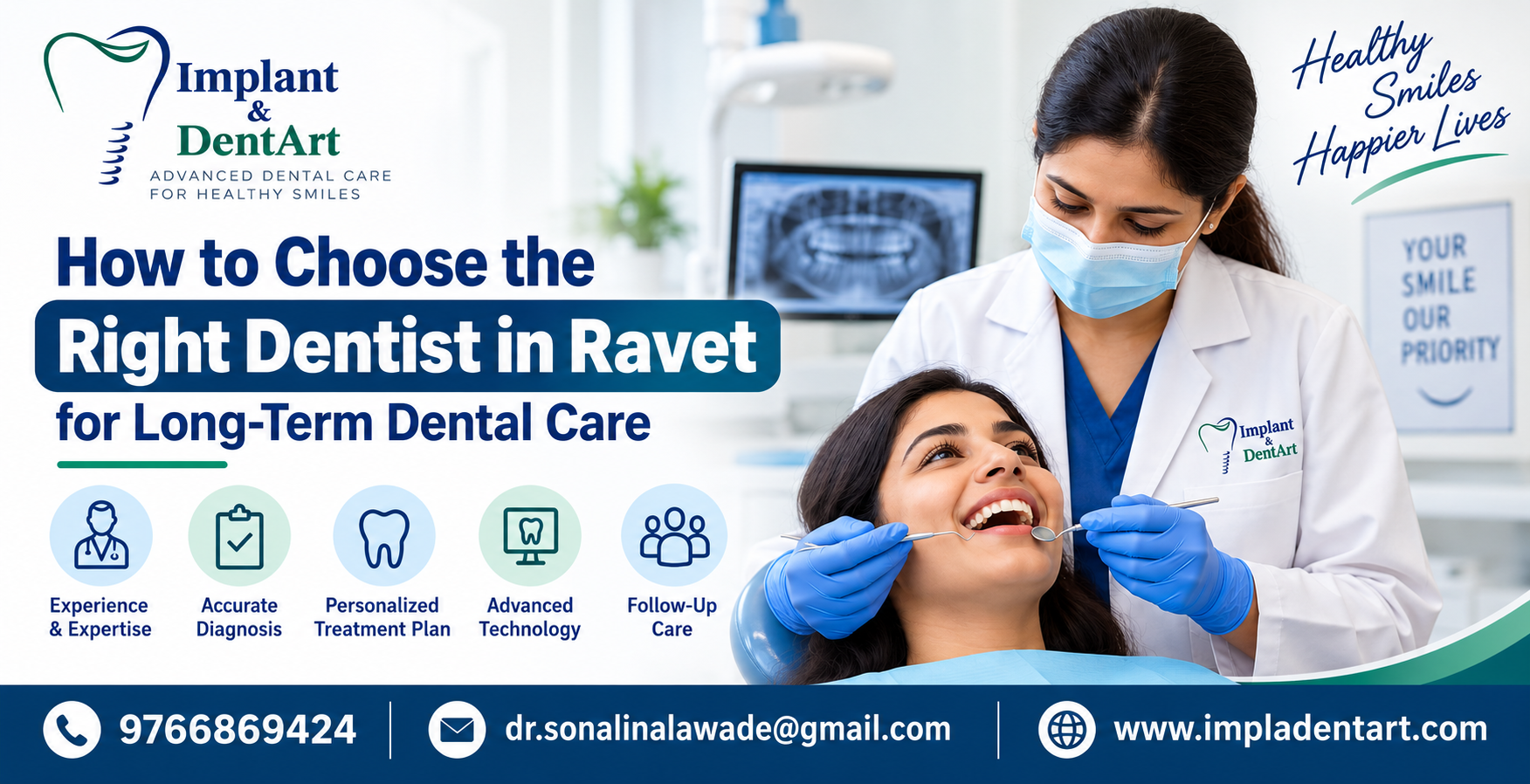
Choosing a dentist is not only about finding someone who can treat a toothache. For long-term oral health, the right dental professional should be able to understand your current condition, identify potential problems early, explain your treatment options and create a treatment plan that fits your needs.
For people searching for the best dentist in Ravet, the decision should involve more than online ratings or proximity to home. Experience, diagnosis, treatment planning, technology, hygiene, communication and follow-up can all influence the quality of your dental care.
If you are looking for a dentist in Ravet for yourself or your family, these are some important factors to consider before choosing a clinic.
What Should You Look for in a Dentist in Ravet?
A good dentist should provide more than individual treatments. The goal should be to understand your overall oral health and provide appropriate care at the right time.
Here are five important factors patients can consider.
1. Consider the Dentist's Experience and Areas of Expertise
Dental treatment can range from routine preventive care to complex restorative and cosmetic procedures. Different conditions may require different levels of experience and expertise.
When evaluating a dentist, consider whether the clinic regularly handles the type of treatment you may need.
For example, patients may be looking for:
- Routine dental examinations
- Preventive dental care
- Gum care
- Root canal treatment
- Dental crowns and bridges
- Dental implants
- Cosmetic dentistry
- Smile enhancement
- Tooth replacement
If you already know that you need a particular procedure, asking about the dentist's experience with that treatment can help you make a more informed decision.
2. Look for Proper Diagnosis Before Treatment
A good treatment plan starts with an accurate diagnosis.
Dental problems are not always visible from the outside. A tooth that appears normal may have decay, infection or damage that requires closer examination.
A dentist may use clinical examination, dental X-rays or other diagnostic methods depending on the condition.
Before beginning treatment, patients should understand:
- What is causing the problem?
- How serious is the condition?
- Are there different treatment options?
- What happens if treatment is delayed?
- How many appointments may be required?
- What kind of follow-up will be necessary?
A dentist who takes time to explain the diagnosis can make the treatment process easier to understand.
3. Evaluate the Treatment Planning Approach
The cheapest or quickest treatment is not always the most suitable long-term option.
For example, a damaged tooth may have several possible approaches depending on its condition. Similarly, replacing a missing tooth with a dental implant requires assessment of factors such as the surrounding teeth, gums and supporting bone.
A good dental clinic in Ravet should develop treatment plans according to the patient's individual condition rather than using the same approach for everyone.
Before proceeding, ask your dentist to explain:
Diagnosis → Treatment Options → Benefits & Limitations → Treatment Process → Follow-Up
Understanding each stage gives you a clearer picture of the proposed treatment and helps you make an informed decision.
4. Check the Technology and Hygiene Standards
Modern dental technology can support better diagnosis, treatment planning and patient communication.
Depending on the procedure, a dental clinic may use digital diagnostic equipment, imaging systems, specialized dental instruments and modern sterilization protocols.
Technology alone does not determine whether a dentist is good. However, appropriate technology combined with clinical experience can contribute to more predictable and efficient treatment.
Hygiene is equally important.
When visiting a dental clinic in Ravet, patients should pay attention to:
- Overall cleanliness
- Instrument sterilization practices
- Disposable items where appropriate
- Clean treatment areas
- Proper handling of dental instruments
- Organized clinical environment
5. Pay Attention to Communication and Follow-Up
Dental treatment does not always end when the procedure is completed.
Depending on the treatment, follow-up appointments may be important to check healing, restoration fit, gum health or treatment progress.
A patient-focused dentist should also explain what to do after treatment and when to return for review.
This is particularly important for treatments such as:
- Root canal treatment
- Dental implants
- Dental crowns
- Gum treatment
- Cosmetic dental procedures
- Complex restorative treatments
When Should You Visit a Dentist?
You do not have to wait until dental pain becomes severe before visiting a dentist.
Some dental conditions may develop gradually without causing obvious symptoms in their early stages.
Consider scheduling a dental examination if you experience:
- Persistent tooth pain
- Tooth sensitivity
- Bleeding gums
- Swelling around a tooth or gum
- Bad breath that does not improve
- A broken or chipped tooth
- Difficulty chewing
- A missing tooth
- Changes in the appearance of your teeth or gums
Choosing a Family Dentist in Ravet
For families, choosing one dental clinic for different age groups can make maintaining regular dental care easier.
A family dentist in Ravet may provide preventive and restorative dental services for children, adults and older family members depending on the clinic's services and expertise.
When choosing a family dental clinic, consider:
- Appointment convenience
- Range of treatments
- Communication with patients
- Hygiene practices
- Emergency consultation availability
- Follow-up process
- Preventive dental guidance
Understanding Root Canal Treatment in Ravet
Root canal treatment is generally considered when the inner part of a tooth, known as the pulp, becomes infected or significantly inflamed.
Symptoms can vary. Some patients experience persistent pain or sensitivity, while others may have an infection without obvious symptoms.
If your dentist recommends root canal treatment in Ravet , ask:
- Why is root canal treatment necessary?
- Can the tooth be saved?
- What alternatives are available?
- How many visits may be needed?
- Will the tooth require a crown or other restoration afterward?
- What follow-up is required?
Understanding the reason for treatment can help you make an informed decision about your dental care.
Considering Dental Implants in Ravet?
Missing teeth can affect chewing, speech and confidence. Dental implants are one option used to replace missing teeth, but they are not automatically suitable for every patient.
A dentist needs to evaluate your oral condition before recommending implant treatment.
During a consultation for dental implants in Ravet, the dentist may assess:
- Gum health
- Bone support
- Condition of neighboring teeth
- Overall oral health
- Existing dental restorations
- Overall treatment requirements
Patients should also understand the complete treatment process, expected healing period, restoration stage and maintenance requirements before making a decision.
When Should You Consider a Cosmetic Dentist in Ravet?
Cosmetic dentistry focuses primarily on improving the appearance of the smile, although some procedures can also have restorative or functional purposes.
Patients may explore cosmetic dentistry for concerns such as:
- Tooth discoloration
- Minor cosmetic imperfections
- Chipped teeth
- Uneven tooth appearance
- Smile proportions
- Certain gaps between teeth
If you are considering a cosmetic dentist in Ravet, ask for a clear explanation of the proposed treatment and what result can realistically be expected.
A good cosmetic treatment plan should be based on your dental health as well as your aesthetic goals.
Why Long-Term Dental Care Matters
Dental care should not be viewed as a series of isolated treatments.
For example, treating a cavity is important, but preventing future decay is equally important. Replacing a missing tooth can restore function, but maintaining the surrounding teeth and gums remains necessary.
Long-term dental care can involve:
Regular Examinations + Preventive Care + Early Diagnosis
Appropriate treatment + Follow-up + Daily Oral Hygiene
This approach can help reduce the likelihood of dental problems becoming more complicated over time.
Choosing the Best Dentist in Ravet: A Practical Checklist
Before selecting a dentist, consider asking yourself the following questions:
Experience
Does the dentist have appropriate experience for my dental concern?
Diagnosis
Has my dental condition been properly examined and explained?
Treatment Planning
Have I been given clear treatment options?
Technology
Does the clinic use suitable diagnostic and treatment technology?
Hygiene
Does the clinic maintain appropriate cleanliness and sterilization practices?
Communication
Does the dentist clearly explain the procedure, risks and expected outcome?
Follow-Up
Will the clinic provide appropriate post-treatment guidance and review?
Convenience
Is the clinic accessible and practical for regular appointments?
Looking at these factors can help you choose a dental professional based on the quality and suitability of care, rather than choosing only on price or distance.
Dental Care at Implant & DentArt, Ravet
At Implant & DentArt, Dr. Sonali Nalawade provides dental care with an emphasis on diagnosis, personalized treatment planning and patient communication.
The Ravet location gives patients access to dental consultations and treatment options in the local area.
Depending on the patient's dental condition, treatment may include preventive care, restorative dentistry, root canal treatment, dental implants and cosmetic dental procedures.
The appropriate treatment is determined after evaluating the patient's individual dental needs.
Final Thoughts
Finding the best dentist in Ravet should be about finding the right professional for your long-term dental needs—not simply choosing the clinic with the highest number of reviews or the closest location.
Look for a dentist who combines relevant experience with careful diagnosis, clear treatment planning, suitable technology, proper hygiene practices and dependable follow-up.
Whether you need routine dental care, root canal treatment in Ravet, dental implants in Ravet, cosmetic dentistry or family dental care, taking the time to evaluate your dentist can help you make a more informed decision.
Looking for Dental Care in Ravet?
Speak with Implant & DentArt about your dental concern and discuss the appropriate next step for your oral health.
Book a Dental ConsultationFrequently Asked Questions About Choosing a Dentist in Ravet
Here are some common questions patients ask when choosing a dentist for long-term dental care in Ravet.
Look at the dentist's experience, diagnostic approach, treatment planning, technology, hygiene practices, communication and follow-up care. The right dentist should be suitable for your individual dental needs rather than being selected only on location or price.
A consultation generally involves discussing your concerns, examining your teeth and gums and determining whether additional diagnostic tests are required. Your dentist can then explain the condition and suitable treatment options.
Root canal treatment may be recommended when the pulp inside a tooth becomes infected or significantly inflamed. The dentist needs to examine the tooth and determine whether root canal treatment is appropriate.
Dental implants are not automatically suitable for every patient. A dentist needs to evaluate factors such as gum health, bone support, neighboring teeth and overall oral health before recommending an implant treatment plan.
The appropriate dental visit schedule depends on your oral health and individual risk factors. Your dentist can recommend an examination and preventive-care schedule based on your specific needs.
A good dental clinic should combine qualified dental care, appropriate diagnosis, clear treatment planning, suitable technology, proper hygiene standards, patient communication and appropriate follow-up.